A CLEARER RESPONSE TO A STRESSFUL PROPERTY PROBLEM
Water rarely stays where it lands.
If you found a stain, a soft wall, changed flooring, or standing water, call with the source, rooms, and timing. The first goal is to understand the affected boundary.
Call for direct help (425) 920-0316No form. No SMS. One direct conversation.
COMPLETE WATER-DAMAGE SERVICES
One Bellevue team from water removal through repair preparation.
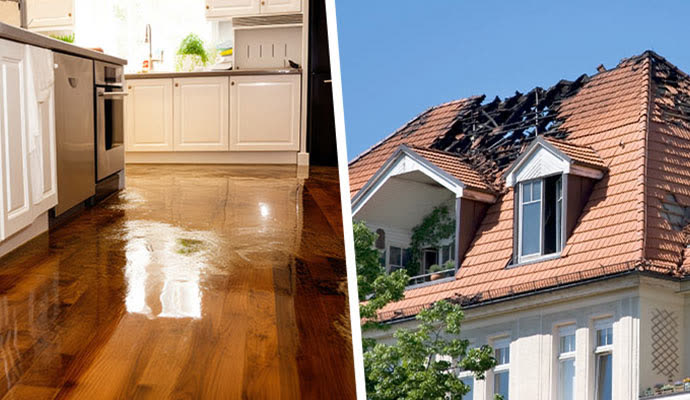
The company handles burst pipes, appliance leaks, bathroom and kitchen water, roof and window entry, basement or crawl-space moisture, and multi-level water losses.
- Emergency water extraction
- Hidden-moisture inspection
- Structural drying and dehumidification
- Cleaning and sanitation
- Contents and material decisions
- Insurance documentation and repair planning
WHY CHOOSE THIS BELLEVUE TEAM
The company stays accountable for the entire restoration plan.
- ONE TEAMWater removal, drying, cleaning, contents, documentation, and repairs stay connected.
- FULL PROPERTY VIEWRooms below, cabinets, flooring layers, walls, and adjoining areas are considered when the water path points there.
- CLEAR UPDATESYou learn what is affected, what is being done, and what needs to happen before repairs.
- CLAIM SUPPORTPhotos, moisture information, material notes, and scope details are organized for the carrier review.
- DIRECT PHONE ACCESSNo form or SMS maze—start with a real conversation about the property.
WHY BELLEVUE PROPERTY OWNERS CALL
A clear plan from water removal through repair preparation.
The company can handle the whole water-damage path: remove water, find hidden moisture, dry the structure, clean affected areas, organize contents decisions, document the loss, and prepare the property for repairs. You get one connected plan instead of a list of loose steps.
Call Bellevue (425) 920-0316- Water extractionRemove accessible water and protect nearby rooms.
- Moisture checksCheck floors, walls, cabinets, ceilings, and lower levels.
- Structural dryingUse air movement, dehumidification, and repeat checks.
- CleaningAddress affected surfaces based on the source and material.
- Contents and repairsPlan what can be saved, cleaned, dried, or replaced.
- Claim supportOrganize photos, moisture notes, and scope details.
Organize the claim facts before the details blur together.
An adjuster may need evidence of the event, the affected route, and the work proposed. The restoration team can organize photographs, moisture information, material notes, and a written scope, and can communicate technical details when requested.
The carrier—not the restoration company—decides coverage, approvals, deductibles, and payment.
Call about the documentation (425) 920-0316WHAT A COMPLETE RESPONSE INCLUDES
One checklist. Every item tied to the actual property.
- ✓
Source and safety context
Clarify what happened, whether the source stopped, and whether electricity, ceilings, contamination, or access changes the first move.
- ✓
Moisture boundary
Check flooring, walls, cabinets, ceilings, insulation, and connected rooms so the work follows the affected materials.
- ✓
Water removal and access
Remove accessible water and determine where controlled access may help air and dehumidification reach wet assemblies.
- ✓
Drying and monitoring
Match the drying approach to the materials and use repeat observations or readings to track progress toward the finish line.
- ✓
Cleaning and contents
Address residue, debris, affected surfaces, and belongings according to the source, condition, and reasonable salvage options.
- ✓
Repair-ready handoff
Organize remaining material decisions, photographs, drying information, and repair needs so the next phase starts with a clear record.
HOW THE RESPONSE WORKS
A simple path from the first call to a repair-ready property.
1. Call with the loss. Share the source, timing, rooms, and visible damage.
2. Confirm the full boundary. The team checks connected materials and spaces.
3. Remove, dry, and clean. The work follows the actual property conditions.
4. Document and prepare repairs. Remaining material decisions and claim information are organized for the next phase.
Start now (425) 920-0316COMMON QUESTIONS, ANSWERED DIRECTLY
A conversation—not another numbered process.
- Is removing visible water the same as drying the property?
- No. Extraction addresses accessible water. Drying addresses moisture held in materials and the surrounding air, including areas that may not look wet.
- Why do moisture checks matter?
- They help define the affected boundary, guide equipment and access decisions, and show whether conditions are moving toward an appropriate drying goal.
- What should I do first after finding water?
- Stop or isolate the source if safe, avoid electricity near standing water, note the rooms that changed, and call with the property facts.
- Does homeowners insurance cover water damage?
- Coverage varies with the source, timing, maintenance history, exclusions, and policy language. Document safe visible conditions and contact the carrier directly.
- How long does structural drying take?
- There is no universal timeline. Materials, humidity, airflow, access, water reach, and monitoring results all influence the schedule.
- What information should I have ready when I call?
- Share the source, timing, whether water has stopped, the rooms or levels involved, visible material changes, and any safety or access concern.
- How do drying and repair planning connect?
- Drying goals and material decisions should be documented before new finishes close the assembly. That record helps the repair plan follow the actual loss.
- Can the same team handle water removal through repair planning?
- Yes. The response can connect water extraction, moisture checks, structural drying, cleaning, contents decisions, documentation, and repair planning so each phase follows the same property facts.
START WITH THE PROPERTY FACTS